by TherapyWorks PT Department | Feb 5, 2013 | Physical Therapy
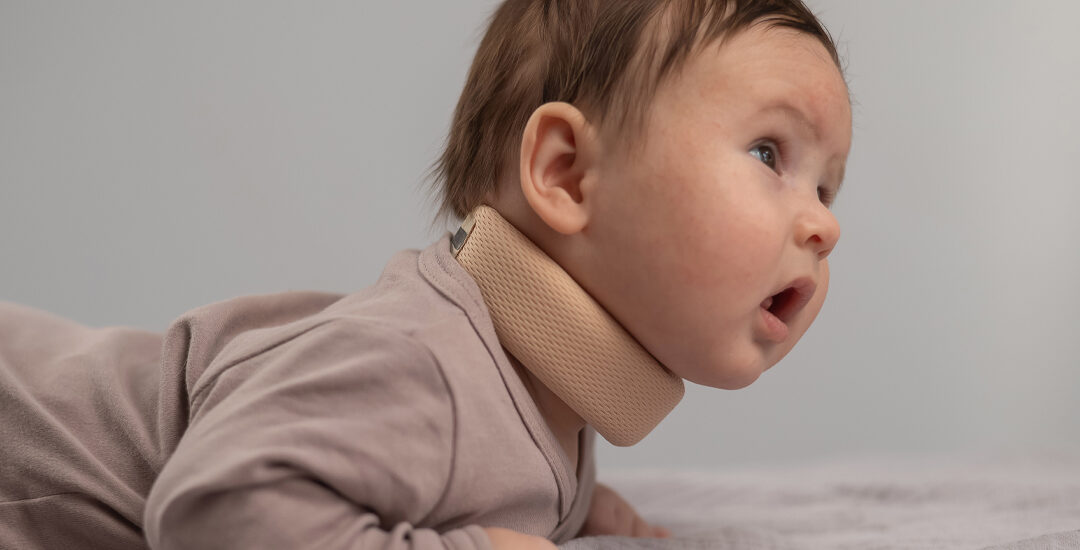
In response increasing number of torticollis cases, TherapyWorks recently formed the torticollis treatment team. Its primary goals are to create a uniform evaluation and treatment protocol and educate therapists on the latest treatment techniques. This ensures each patient receives the highest level of care and treatment benefits are maximized.
What is torticollis?
Torticollis is a condition in which the muscles on one side of an infant’s neck are tight or shortened resulting in the child turning their head to one side. A flat spot on the child’s head, also known as plagiocephaly, can result in a misshapen appearance.
Many infants are born with torticollis; however, some can acquire it in the first few months of life. Torticollis is a completely reversible condition if caught early. Research shows the sooner therapy begins, the faster changes and improvements are seen.
 Risk factors for developing torticollis include:- Lack of space in utero with twins or multiples
- In utero positioning
- Low amniotic fluid
- Positional deformity as a result of sleeping on back and/or in car seats or swings
- Traumatic birth
- Prematurity
Children with torticollis are affected in different ways such as:
- Head is tilted and turned to one side.
- Can’t turn head in opposite direction.
- Flat spot on back of head or one one side of head at 2-3 months of age.
- Some infants will have a misshapen head after birth but should resolve by 6 weeks of age.
- Uneven facial features or bulging of the forehead.
- Developmental milestones such as sitting, crawling and walking can be delayed.
The torticollis treatment team strives to minimize complications of torticollis through prevention, early intervention and treatment. Specialized treatment includes occupational and physical therapy provided by a team of extensively trained pediatric therapists.
Tummy Time and Positioning
- Place your baby on his or her tummy at least 30 minutes a day while awake and supervised. This can be for a few minutes at a time, multiple times a day.
- Alternate arms when holding or feeding.
- Reduce the amount of time in infant carriers, swings or car seats as much as possible.
See our blog on tummy time for more tips.

Treatment Techniques
Our physical therapists offer personalized treatment programs based on each child’s individual needs. Some of the treatment methods that may be used include:
- Stretching and positioning exercises
- Developmental skills facilitation
- Kinesio Taping®, TheraTogsTM or custom neck collars
- Electrical muscle stimulation/BOTOX®
- If treated early, helmet wearing or surgery can almost always be avoided.
Kinesio Taping® is a registered trademark of Kineso Taping Association International.
TheraTogsTM is a trademark of TheraTogs, Inc.
BOTOX® is a registered trademark of Allergan, Inc.


by TherapyWorks PT Department | Oct 25, 2012 | Physical Therapy
What is tummy time?
Tummy time is any activity or position that allows your baby to be on his or her stomach, including putting baby on the floor, your lap or chest.
How soon should I start tummy time?
Closely supervised tummy time can and should be started the day your child is born! The earlier you start tummy time, the easier tummy time will be as your infant grows older.
What are the benefits of tummy time?
Since the 1990’s, babies send a lot of time on their backs due to the American Academy of Pediatrics’ Back to Sleep program. Due to this, parents have become nervous about placing their infants on their tummies for play time. Studies show that infants with tummy time develop at a quicker pace than infants who are placed on their back. Tummy time promotes increases strength in the child’s neck and back muscles, as well as developing arm strength. Tummy time can help prevent tight neck muscles or flattening of the babies’ skull as a result of pressure on the back of their head. Tummy time will encourage development, such as rolling, sitting, and crawling.
What do I do if my infant hates tummy time?
Tummy time does not just have to be on the floor. Placing your child on your chest as you recline or lay down will also have benefits for your little one. Try placing music, light, or other toys where your infant can see them as they are on their tummy. If your child will not tolerate any of those positions, you can lay your child on their side and slowly progress to them lying on their stomach.
Do I need to supervise my child when they are on their tummy?
If you child is unable to lift his or her head from the floor, then yes! Do not leave your child unsupervised until your child is able to look up, is pushing up on his or her arms, and is able to roll out of the position.
How much tummy time do they need?
We encourage at least 60 minutes of tummy time a day. This can be 5 minutes at a time if needed, increasing time as they get stronger. Try tummy time after diaper changes – after you’ve diapered baby, turn baby over onto his or her tummy for a few minutes.

by TherapyWorks PT Department | Oct 8, 2012 | Physical Therapy
A senior track star at Nathan Hale High School in Tulsa, Raegene competes in the 4×100-meter, 4×200-meter, 4×400-meter and 300-meter hurdles, with the hurdles as her favorite. She trains hard and has aspirations of winning state this year. But all that came to a screeching halt when she started experiencing significant hip, low back and ankle pain.
When she began treatment at TherapyWorks in the spring, her therapists fitted her with orthotics, which helped; but, something was still missing. She continued to experience hip and low back pain that affected her ability to train. Following several brainstorming sessions with her physical therapy team, her therapists discovered Rae had a significant pelvic and sacral dysfunction.
They dedicated several treatment sessions to correct this misalignment and reduce muscle spasms in her low back and hips, and implemented specific strengthening exercises to help maintain the proper alignment. In addition, Kinesio Taping® techniques helped teach Rae how to correctly use muscle groups and decrease compensation.
Rae made steady progress and her pain decreased as the treatments continued. TherapyWorks received an email from Rae informing us that she felt better than she had in a long time and she was able to run for the first time with no pain! She continues to make gains each week and is on track to train for state this coming spring.
We are so excited to watch this tremendous young athlete return to the sport that she loves and be able to live her life pain free! Way to go Raegene!
– Kea Averill, PTA, CFT, YFT
by TherapyWorks PT Department | Oct 1, 2012 | Physical Therapy
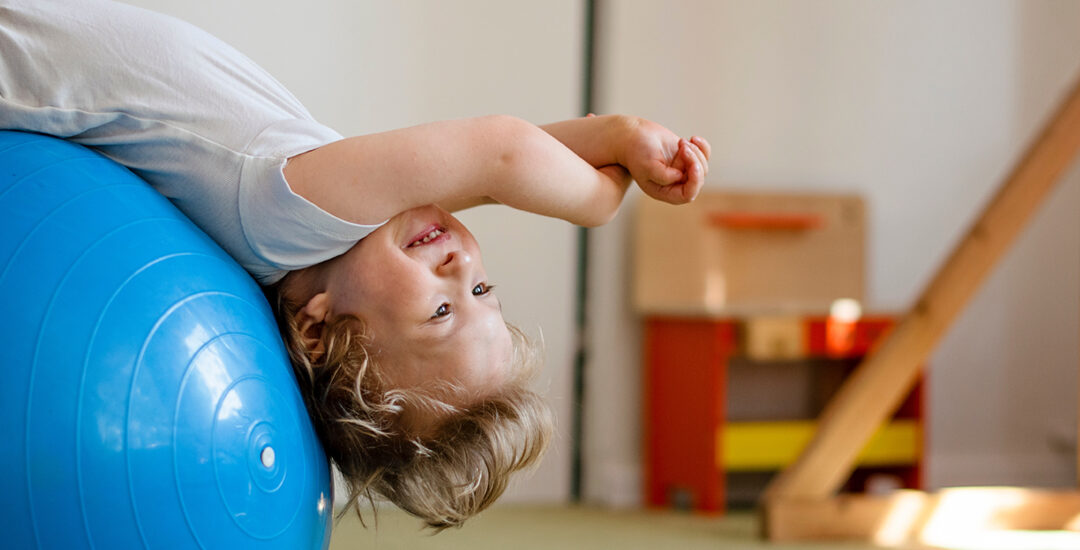
October is National Physical Therapy Month!!
Each week, we will feature a blog on a different PT topic. We would love to have your thoughts and questions about pediatric physical therapy. Please share in the comments section below what information you would like us to share on our blog!
But first, we want to start off by recognizing our truly talented and wonderful physical therapists!! Two of our PTs hold doctorate degrees and several have certifications in Kinesio taping, fitness training and other specialty areas. In addition, all of our therapists attend numerous continuing education courses and in-services.
Follow the link to our website to learn more about each of our therapists.
https://therapyworkstulsa.com/about/clinic-staff/

by TherapyWorks PT Department | Aug 14, 2012 | Physical Therapy
As the start of school nears, children who are clumsy, walk awkwardly or have poor strength, may also have difficulty at school. Often, these problems makes it difficult for children to participate in classroom activities or even complete their school work. If you suspect your child is having a problem, he or she might be eligible for physical therapy services at school.
Under the Individuals with Disabilities Education Act (IDEA), Oklahoma school districts are required to provide special services to children with disabilities to ensure their educational needs are being met. School-based therapy is available to children ages 3-21, who are found to be eligible for related services, including occupational, physical and speech therapy.
A therapist evaluates a child being considered for related services and works with the child’s Individualized Education Program (IEP) team to determine if the child qualifies for a particular related service.
A school based physical therapist evaluates the child’s ability to function in the school environment, including the classroom, playground, cafeteria, etc. The school PT may make recommendations for physical therapy if the child demonstrates difficulty accessing these environments or participating with other children in these environments due to a disability.
The school physical therapist may examine questions such as:
- Can the child safely ascend and descend stairs in the school?
- Can the child get up off the floor after circle time without assistance?
- Can the child sit in a classroom chair without assistance?
- Can the child manage a tray in the cafeteria without assistance?
- Can the child participate in appropriate activities at school independently?
- Can the child access the drinking fountain at school without loss of balance?
- Can the child walk through a busy hallway between classes safely?
- Can the child stand independently?
- Can the child walk safely and independently, walk safely with an assistive device (like a walker or forearm crutches), propel their wheelchair safely and independently through the school environment?
- Can the child access their locker without loss of balance?
- Can the child ascend and descend ramps safely in the school environment?
If a child qualifies for school-based PT then the physical therapist will work with that child to address their individual needs in the school environment.
– Laurel Johnson, PT, DPT
by TherapyWorks PT Department | Jul 16, 2012 | Physical Therapy
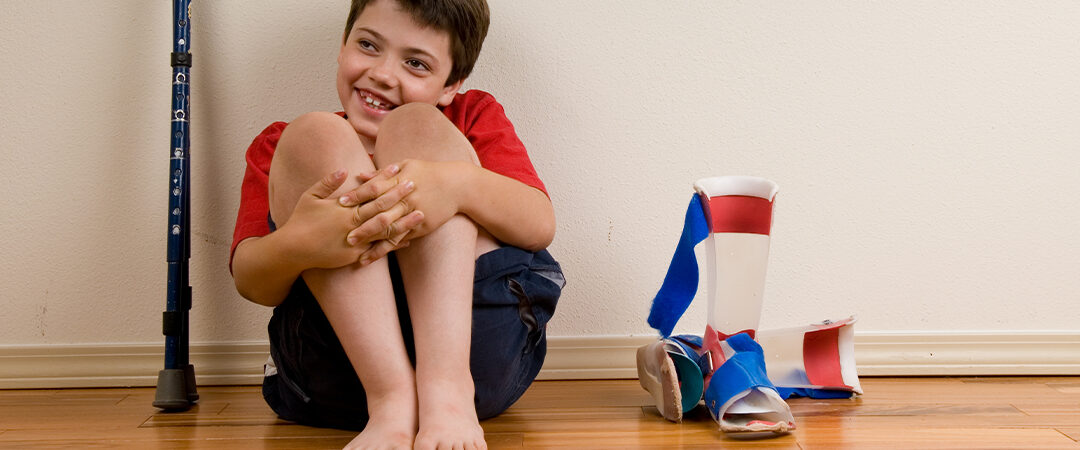
Orthotic devices are shoe inserts that are intended to improve stability and alignment during walking, running and playing. They also can provide positioning for children who are not able to walk or are in the process of learning to walk. But how do you know if your child would benefit from orthotic support?
- Does your child have “flat feet” and is over the age of 2 years?
- Does your child experience foot or knee pain?
- Does your child have poor balance?
- Is your child in a wheelchair or other mobility device and they need better positioning for their feet?
- Is your child over the age of 14 months and not walking yet?
- Does your child have an awkward walking or running pattern?
If you answered “yes” to any of the above questions, orthotics may be beneficial for your child. Incorrect foot alignment can cause foot, leg, knee, hip and back pain, youth sports injuries, awkward walking or running pattern, poor balance and coordination and toe walking. By using the correct orthotic devices, proper foot alignment can be achieved, resulting in increased balance, coordination and decreased pain.
If you believe your child would benefit from orthotic support or if you would like your child evaluated by a physical therapist for orthotics, please contact your primary care physician to discuss your concerns. They will be able to determine if a referral would be of benefit to your child and his or her feet.
