by Phillip Kindschi | Feb 15, 2016 | Physical Therapy
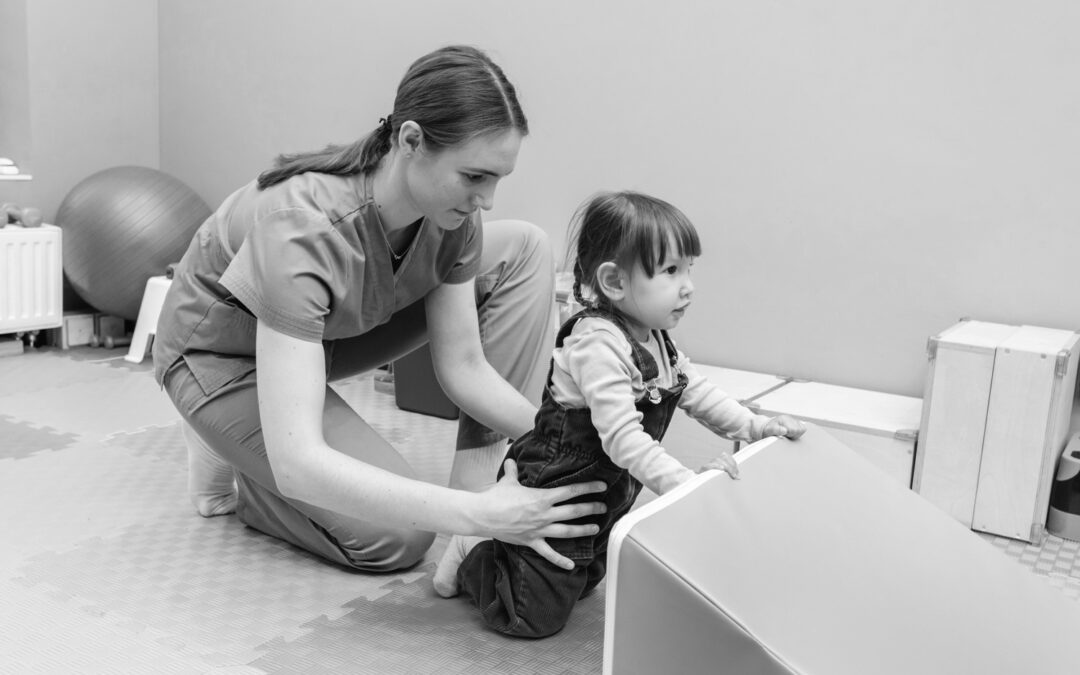
Does your child trip and fall frequently? Does he/she seem uncoordinated or clumsy?
If so, PLAN ON ATTENDING THE FREE PARENT TRAINING AT THERAPYWORKS ON MARCH 3, 2016 AT 7:00PM!
SPONSORED BY THE TW PHYSICAL THERAPY DEPARTMENT!
- Find out if your child is more than just “clumsy”.
- Discover if your child is developing appropriately.
- Understand what it means to be “uncoordinated”.
- Learn about ORTHOTICS and if they are appropriate for your child.
- Determine if your child will benefit from Physical Therapy.
Reserve your spot! email info@therapyworkstulsa.com or call 918-663-0606 ext 289
by Phillip Kindschi | Oct 29, 2014 | Physical Therapy
Physical Therapy (PT) was first practiced in Great Britain in 1894, by a group of four nurses. Physical therapy was performed mostly on people who had been injured in WWI. The nurses became known as “reconstruction aides” and continue to be trained with an increase in physical education and massage therapy. Other countries soon after adapted the form of “rehabilitation therapy” and PT began to grow. One of the first schools in the United Stated to offer a physical therapy program was in 1914 at Reed College in Portland, Oregon.
In 1921 Mary McMillian founded the first known association for physical therapy and named it the American Women’s Physical Therapy Association. Mary McMillian became known as the “Mother of Physical Therapy” due to her significant contributions to the profession. In the 1930’s men were admitted and the first Code of Ethics was introduced.
PT became more widely excepted as the demand increased due to the nation wide polio epidemic during the 1940’s and 1950’s. During this period the association was renamed to the American Physical Therapy Association (APTA) and policies and sections were created to promote and develop specific areas of PT. PT also began to be more utilized in settings other than hospitals. Public schools, universities, skilled nursing facilities, medical centers and private owned rehabilitation centers became more popular as the years passed.
Today due to the rapid increase in current medicine, PT continues to grown and help patients daily. New treatments are being discovered and utilized on a regular basis. Physical therapy can be provided to help with a number of diseases and injuries ranging from common back pain to a severe stroke patient.
Laci DiLibero, PTA, CKTP
TherapyWorks Physical Therapy Department Manager

by Phillip Kindschi | Oct 6, 2014 | Physical Therapy
At Therapyworks, many of our occupational and physical therapists are Certfied Kinesio Tape Practitioners. Kinesio Taping has many beneficial uses, so let’s learn more about pediatric Kinesio Taping!
Kinesiology Tape is a thin, stretchy, elastic cotton strip with an acrylic adhesive. Therapeutic Kinesiology Tape can benefit a wide variety of musculoskeletal and sports injuries, plus inflammatory conditions.
The Kinesio Taping® Method is a rehabilitative taping technique that is designed to facilitate the body’s natural healing
process while providing support and stability to muscles and joints without restricting the body’s range of motion as well as providing extended soft tissue manipulation to prolong the benefits of manual therapy administered within the clinical setting. (www.kinesiotaping.com)
How can Kinesio Tape help your child? :
- Relieves pain
- Loosens tight muscles- Activates weak and tired muscles
- Helps in biomechanical alignment
- Provides stability
A few things KinesioTape can be used for in Physical Therapy:
- Cerebral Palsy
- Torticollis- Back pain, Shoulder pain, Knee pain, Foot pain
- In toeing
- Toe walking
- Sports injuries
- Postural control
Ask one of our Physical Therapist staff for more information on Kinesio Taping!!!

by Phillip Kindschi | Aug 7, 2014 | Occupational Therapy
 Many schools are starting in the following 1-2 weeks. Many children, especially children who are seen for Occupational Therapy, have difficulties with changes in routine, transitions, and sleep disturbances. Here are some strategies to start implementing NOW to reduce the risk of tantrums and improve the transition into school (especially for little ones who have never attended school before).
1) Begin using the school-year bed time and routine 2 weeks prior to school starting. According to the National Sleep Foundation, children under age 5 need 11-13 hours of sleep each night (not including naps) while children ages 6-12 require 10-11 hours of sleep.
-
- Reduce electronics (TV, iPad, video games) 2 hours prior to bedtime
- Removed all electronics from the bedroom
- Try using “black out” curtains since the sun is still up longer hours
- Eliminate caffeine, food dyes and sugar 2 hours prior to bedtime
- Be consistent and firm with bedtime routines
- Ask your therapist for more sensory-based bedtime strategies for calming/regulation skills.
2) Also begin the morning routine including wake up time, dressing, packing the lunch or backpack and eating breakfast. This will allow for the parent to recognize how much time is actually required to decrease rushing and additional stress.
-
- For children who cannot read, use a picture schedule of their routine. Be very clear with the order of pictures. For example, your child may need a routine for the sequence of dressing to keep posted on his closet (i.e: undies, pants, shirt, socks, shoes) and another routine for hygiene posted on the bathroom mirror (i.e.: brush teeth, wash face, comb hair, etc.). For more information on using picture schedules: www.do2learn.com/picturecards
- Older children (readers) can use a written schedule or checklist which is more complex. Older children can also start practicing using an alarm clock and time management to estimate how much time they need for each activity.
- Do not allow TV, video games, or play time until after all of the necessary activities have been completed. Many children get “stuck” in play immediately after waking up and then melt down when asked to get ready for school and leave the television/toys.
3) Many children benefit from the use of social stories to improve transitions and behaviors while reducing anxiety from the unknown. Social stories should be very specific with correct names, pictures/drawing, etc. They should be simple and easy to follow.
-
- Parent may write the story while answering child’s questions and worries
- Child may draw the pictures or embellish on the main themes
- Focus on the positive behaviors you are seeking.
- Be clear and concise.
- For example, a child with difficulties separating from his parent: “Jack will go to school next Monday. His teacher is Miss Amanda. Mommy will drop him off at the door and give him a hug. Jack will have his backpack and will walk into his classroom all by himself! It’s okay to feel “worried” but he will feel “happy” to see his friend Marcus. Jack will make good choices and use his listening ears. He will make new friends. Jack will see Mommy at 3:00 when school is over for the day.”
Amanda Masters, MS, OTR/L
Clinic Therapist – TherapyWorks
Check out these related posts:

by Phillip Kindschi | Jun 30, 2014 | Occupational Therapy
It’s Time for Summer Water Play!
It’s hot outside, and we can expect the temperatures to keep rising! With that, it’s still important for kids to get outside and play, and what better way than in the water?!
Water play is beneficial in a variety of ways, whether it be swimming in a pool, running through a sprinkler, or splashing in a water table. When children play in the water, they encounter a multi-sensory experience:
- Auditory – the sound of the water and others around
- Tactile – the feeling of the water surrounding or splashing it
- Oral/olfactory – the smell/taste of the water
- Vestibular/proprioceptive – the movement and pressure of the water around the child’s body
Water is great for the sensory experience, but it is also great for so much more, like muscle tone and strength. So, get your children out of the house and into the water. Let them experience all the water has to offer while burning off all of their excess energy!
Amber Torczon, MOT, OTR/L
Clinic Occupational Therapist
Check out these related posts: