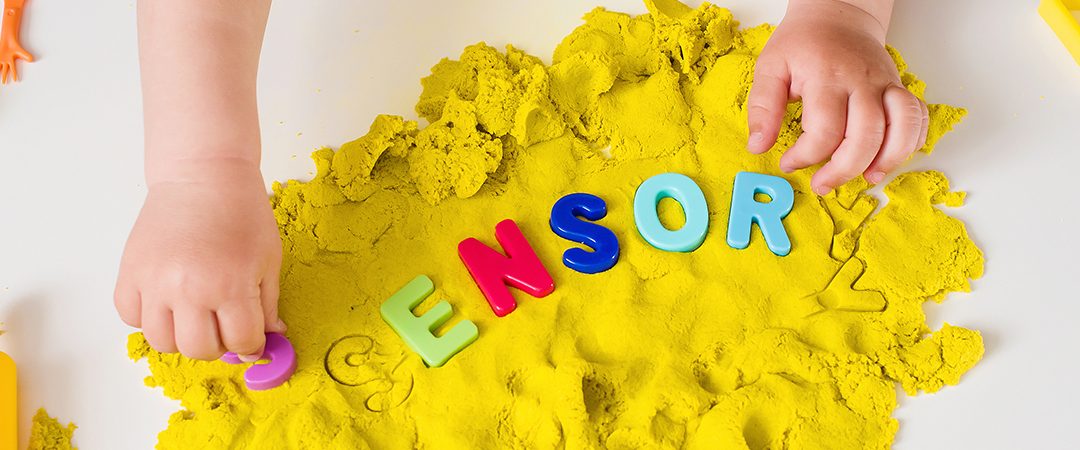
Have you noticed your child constantly moving, touching everything, or avoiding loud noises and messy play? These behaviors may reflect how their nervous system processes sensory input. Two common terms in pediatric therapy are sensory seeking and sensory avoiding.
Sensory Processing Basics
Sensory processing is how the brain interprets information from the senses so we can respond appropriately. Beyond sight, sound, touch, taste, and smell, there are “hidden” senses:
Vestibular – balance and movement
Proprioception – body awareness
Interoception – internal signals like hunger or needing the bathroom
When sensory input is overwhelming or insufficient, children may react in ways that seem unusual—but these reactions are simply their way of coping.
Sensory Seeking
Sensory seekers crave extra input to feel alert and regulated.
Signs include:
Constant movement, climbing, or jumping
Crashing into furniture or people
Chewing on clothing or toys
Loving rough play or loud environments
Struggling to sit still
Sensory Avoiding
Sensory avoiders are sensitive to sensations and may feel easily overwhelmed.
Signs include:
Covering ears in noisy places
Avoiding messy play or certain textures
Resisting tight or scratchy clothing
Upset by hair brushing or grooming
Disliking bright lights or strong smells
Can a Child Be Both?
Absolutely! Many children seek input in one area and avoid it in another. For example, a child may love jumping and swinging (seeking) but dislike messy textures or loud noises (avoiding). Each child’s sensory profile is unique, and a mix of needs is completely normal.
Supporting Sensory Needs
For sensory seekers: movement breaks, heavy work activities, swings, trampolines, or chewable items. For sensory avoiders: prepare for transitions, provide quiet spaces, introduce new textures gradually, and use noise-reducing headphones if needed.
When to Seek Help
If sensory behaviors interfere with daily routines, school, or social activities, occupational therapy can help. At TherapyWorks, we guide children and families in understanding sensory needs, developing strategies, and building confidence to thrive at home, school, and beyond.
April is National Occupational Therapy Month, a time to recognize the important work occupational therapists do to help individuals participate in the activities that matter most in their daily lives. At TherapyWorks, we are proud to celebrate our amazing occupational therapy team and the difference they make for the children and families we serve.
Occupational therapy helps children develop important skills needed for everyday activities like playing, learning, and gaining independence. Our therapists work with children on a variety of goals, including fine motor development, sensory processing, coordination, attention, and daily living skills. Through creative and individualized therapy sessions, they help children build confidence while reaching important developmental milestones.
What truly makes our occupational therapy program special is our team. Their patience, creativity, and dedication help turn therapy sessions into fun and meaningful experiences for each child. They work closely with families and other professionals to support progress both in therapy and in everyday life.
During this month, we want to say a heartfelt thank you to our incredible occupational therapists and assistants. Your compassion, expertise, and commitment make a lasting difference, and we are so grateful to have you as part of the TherapyWorks team.
Make sure to check out our social media this month! We will be spotlighting OT and OTA all month to celebrate! Links are below.
Happy Occupational Therapy Month! 👏
Read More about National OT Month on the American Occupational Therapy Association Website here.
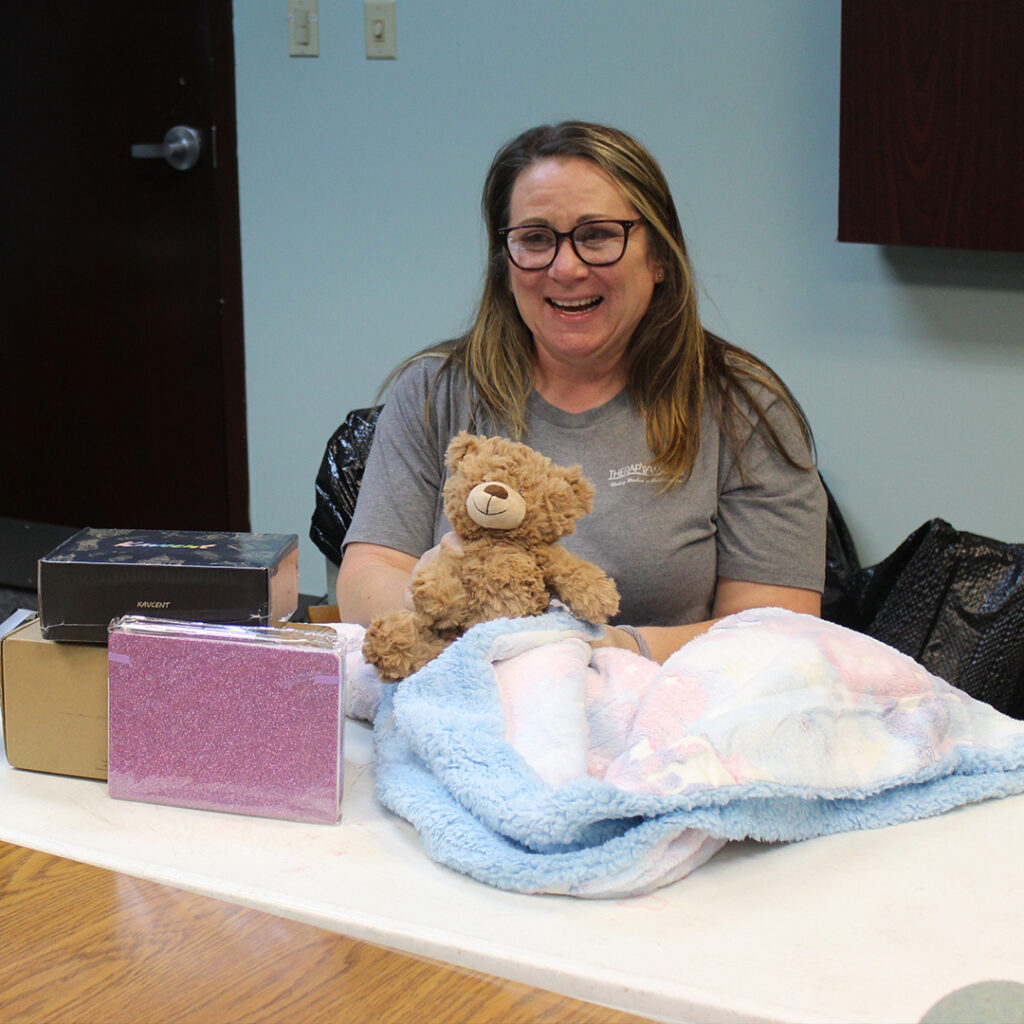
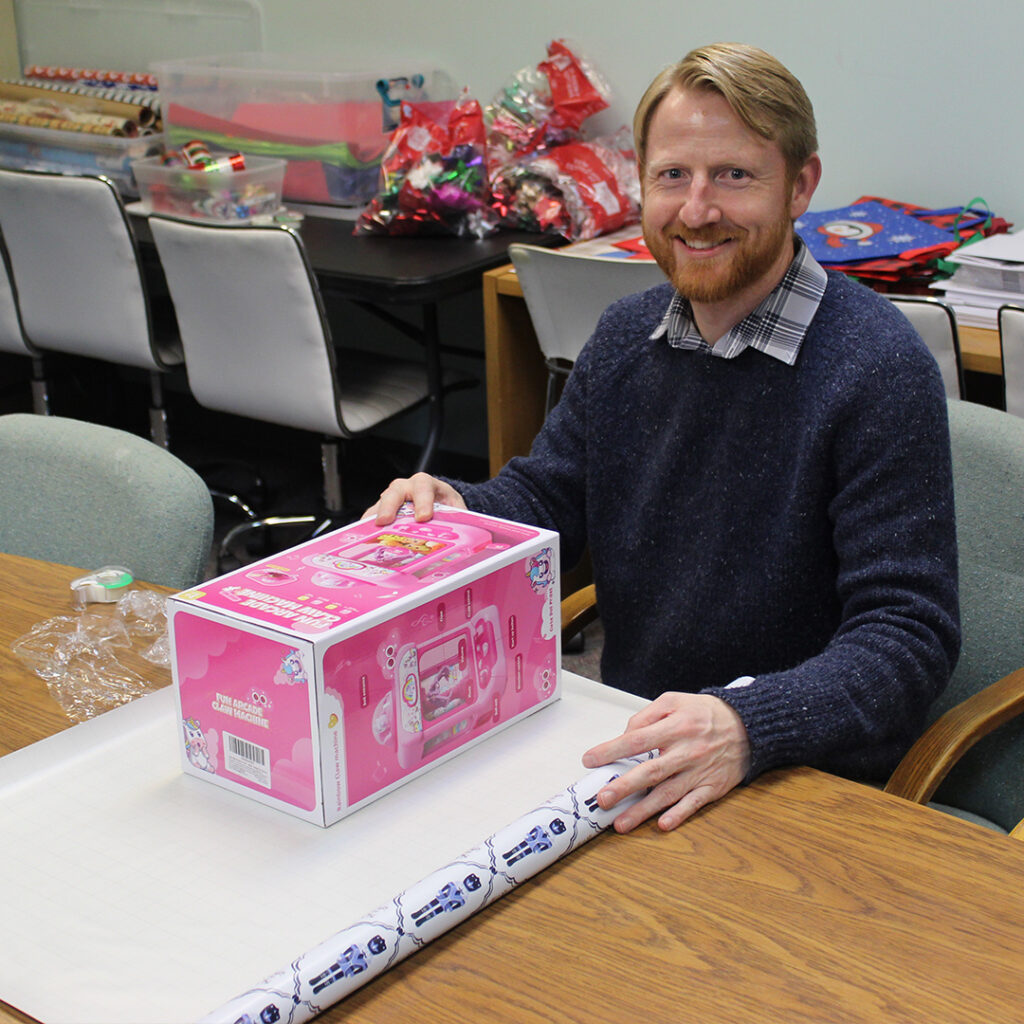
Earlier this month we handed out gifts to 117 children through the Heather’s Giving Tree program. We were grateful to have Heather’s mom join us again this year for the gift distribution. 🎁
The program is for children of families who are currently receiving services through TherapyWorks and their siblings. 🎄
This was the 15th year TherapyWorks has led a Giving Tree Program. The program was renamed in honor of Heather, a beloved longtime employee who led this effort each year until her passing from Covid in September 2021. She is pictured below (white dress). 🪽
Each large bag you see in this picture holds the wrapped gifts for one child. We aim for a set dollar amount per child, which usually ends up being 3–6 gifts, chosen from a wish list completed by their parent or guardian.
Thank you to everyone who purchased raffle tickets, attended one of our fundraising events, adopted children, wrapped presents, or helped in anyway! This program was a huge success again this year. It remains one of the most meaningful things we do as a company. Also a special thank you to Elisa, pictured in a red sweater below, who has helped run the program since Heather’s passing.
We all have it and typically deal with it in our day to day lives. What is it? Stress and or anxiety. These two emotions/feelings can often determine the entire outcome of our day before it even starts. This is common, but there is a solution, says Kristen Arquette. Journaling can have quite the impact. She is a marriage and family therapist at New Vision Counseling in Washington state. In the article, which covers anxiety and stress, different therapists and counselors describe how writing down your feelings and thoughts can dramatically have an impact on your body (read the full article here: Is your child showing signs of stress or anxiety? ). Daily Journaling lets all those emotions, feelings, stressful and nervous thoughts escape onto paper, thus freeing your mind! Give it a try, test it out and let us know if you see a difference.
“Children do not always know how to talk about what they’re feeling. Sometimes they are unsure of what they’re feeling, especially in the wake of trauma, when things are unclear and don’t make much sense,” says Jacqui Blue, a hypnotherapist in California who specializes in trauma. Sometimes we all want to curl up into a ball and keep it inside, but that is not the solution to the problem. It will only make things worse in the long run. Let it flow, uncensored and unscripted. There are no drugs or antibiotics on the market that can cure grief or pain.
First and foremost, by no means is journaling a substitute to seeking out treatment or asking for help. It’s an easily accessible means to to letting out what you feel inside without acting out verbally or physically. That alone can go a long way in helping kids, teens or adults externalize their emotions and feelings in an unnecessary way. Something as simple as taking the time to jot down what you feel, think or want to do can also change the way you go about the rest of your day. Don’t bash it before you try it. See if it can help you deal with things you may internalizing and need to get them out.
“Every child has some spontaneous mutations,” explains Iossifov. “But in some unlucky children these mutations severely affect the functioning of a particular gene. Autism affects so many children in today’s world and the numbers are only increasing; at an alarming rate if you are unaware. In a 2 year span, the diagnosis has jumped 15%, from 1 in 68 children, to 1 in 59. Boys are affected far more than girls, at about a rate of 4 to 1. Unfortunately we don’t know what has caused or continues to cause this uneven ratio. “Some of the change in prevalence is said to be caused by improved autism identification which is important, because children identified early with autism and connected to services are more likely to reach their fullest potential.” (read more here). So you ask, where does it come from? How does our child have a developmental delay if neither of us do? How is one child on the spectrum and not the other(s)? Autism genetics expert Ivan Iossifov explains it simply as “spontaneous mutations”, generating from how the sperm and egg interact in the mothers womb. Read the full article and watch the short “Unified Theory of Autism” video below.
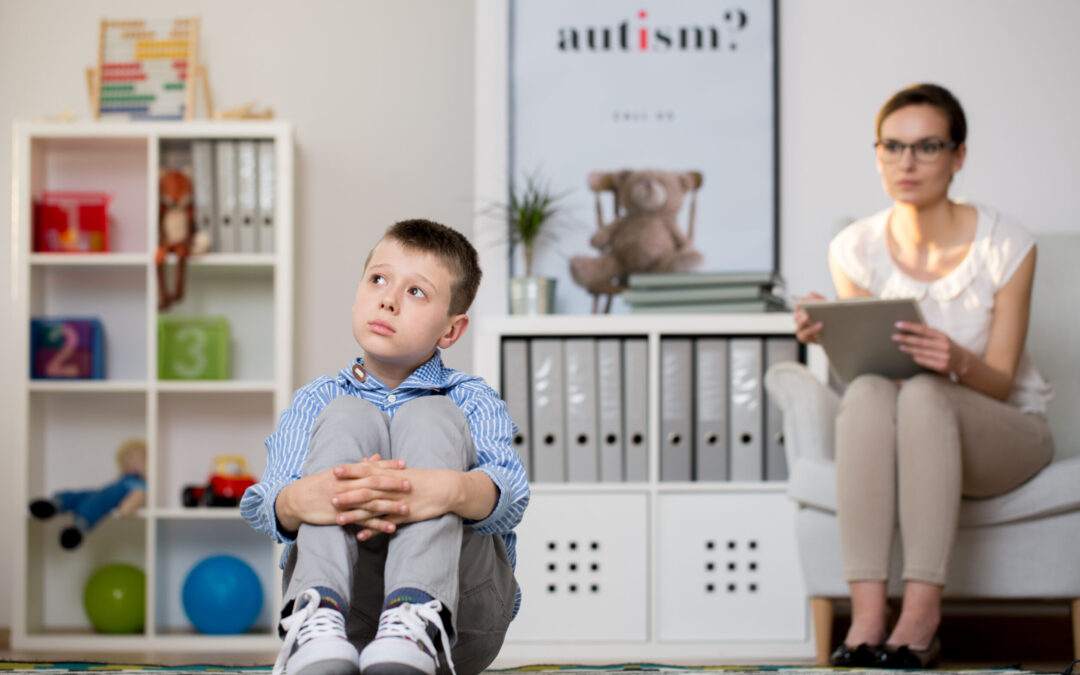
You will not know immediately if your child is showing symptoms of Autism, but detecting this at an early age can be very beneficial in their life. At a young age, some of the most prevalent and indefinable symptoms are listed below to help you determine if you may need to have your child evaluated for autism. Behavior Frontiers uses an Applied Behavior Analysis (ABA) Training Program with an Autism Specialization to explain the symptoms. The 3 key problems they specify are identifying 6 or more problems in socializing, communicating, and repetitive and inflexible behaviors. In the video link, they display and explain in-depth scenarios of each situation to help you identify prevalent autistic symptoms.