by Phillip Kindschi | Apr 29, 2026 | Occupational Therapy
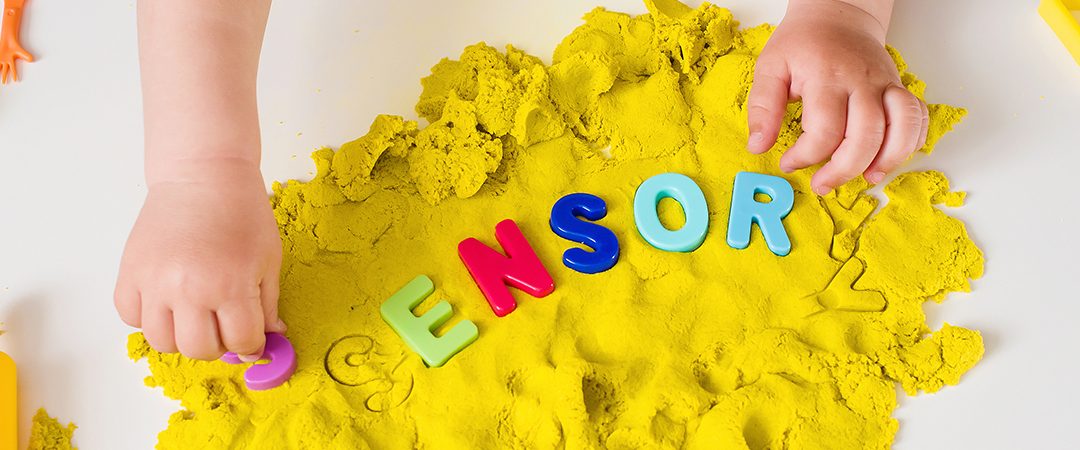
Have you noticed your child constantly moving, touching everything, or avoiding loud noises and messy play? These behaviors may reflect how their nervous system processes sensory input. Two common terms in pediatric therapy are sensory seeking and sensory avoiding.
Sensory Processing Basics
Sensory processing is how the brain interprets information from the senses so we can respond appropriately. Beyond sight, sound, touch, taste, and smell, there are “hidden” senses:
- Vestibular – balance and movement
- Proprioception – body awareness
- Interoception – internal signals like hunger or needing the bathroom
When sensory input is overwhelming or insufficient, children may react in ways that seem unusual—but these reactions are simply their way of coping.
Sensory Seeking
Sensory seekers crave extra input to feel alert and regulated.
Signs include:
- Constant movement, climbing, or jumping
- Crashing into furniture or people
- Chewing on clothing or toys
- Loving rough play or loud environments
- Struggling to sit still
Sensory Avoiding
Sensory avoiders are sensitive to sensations and may feel easily overwhelmed.
Signs include:
- Covering ears in noisy places
- Avoiding messy play or certain textures
- Resisting tight or scratchy clothing
- Upset by hair brushing or grooming
- Disliking bright lights or strong smells
Can a Child Be Both?
Absolutely! Many children seek input in one area and avoid it in another. For example, a child may love jumping and swinging (seeking) but dislike messy textures or loud noises (avoiding). Each child’s sensory profile is unique, and a mix of needs is completely normal.
Supporting Sensory Needs
For sensory seekers: movement breaks, heavy work activities, swings, trampolines, or chewable items.
For sensory avoiders: prepare for transitions, provide quiet spaces, introduce new textures gradually, and use noise-reducing headphones if needed.
When to Seek Help
If sensory behaviors interfere with daily routines, school, or social activities, occupational therapy can help. At TherapyWorks, we guide children and families in understanding sensory needs, developing strategies, and building confidence to thrive at home, school, and beyond.
Written by the TherapyWorks OT department
Related Posts:
Summer Sensory Fun for Your Kids
Sensory Diet
by Phillip Kindschi | Apr 1, 2026 | Occupational Therapy
April is National Occupational Therapy Month, a time to recognize the important work occupational therapists do to help individuals participate in the activities that matter most in their daily lives. At TherapyWorks, we are proud to celebrate our amazing occupational therapy team and the difference they make for the children and families we serve.
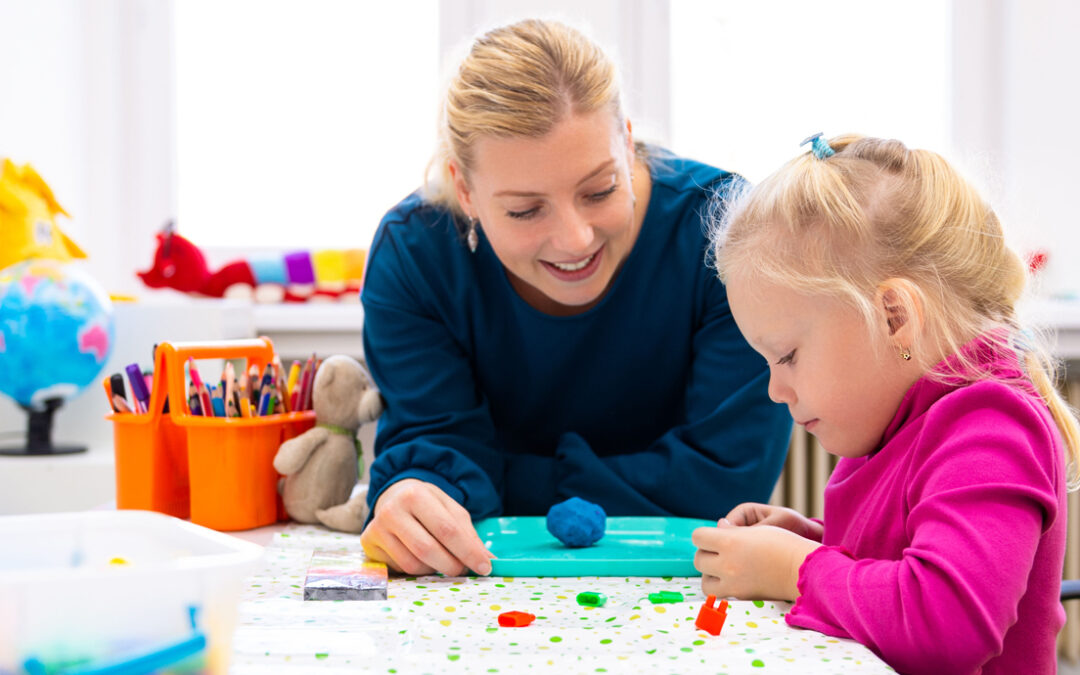
Occupational therapy helps children develop important skills needed for everyday activities like playing, learning, and gaining independence. Our therapists work with children on a variety of goals, including fine motor development, sensory processing, coordination, attention, and daily living skills. Through creative and individualized therapy sessions, they help children build confidence while reaching important developmental milestones.
What truly makes our occupational therapy program special is our team. Their patience, creativity, and dedication help turn therapy sessions into fun and meaningful experiences for each child. They work closely with families and other professionals to support progress both in therapy and in everyday life.
During this month, we want to say a heartfelt thank you to our incredible occupational therapists and assistants. Your compassion, expertise, and commitment make a lasting difference, and we are so grateful to have you as part of the TherapyWorks team.
Make sure to check out our social media this month! We will be spotlighting OT and OTA all month to celebrate! Links are below.
Happy Occupational Therapy Month! 👏
Read More about National OT Month on the American Occupational Therapy Association Website here.
Social Links:
Facebook
Instagram
X
LinkedIn
Check out these related posts:
What is Occupational Therapy
Emotional Regulation in Kids

by TherapyWorks OT Department | Mar 17, 2026 | Occupational Therapy
Big emotions are a normal part of childhood. But for some kids, calming down after frustration, disappointment, or changes in routine can be especially difficult. This is where emotional regulation and co-regulation come in.
What is Emotional Regulation?
Emotional regulation is a child’s ability to recognize feelings and manage their reactions. This includes skills like calming down, coping with frustration, handling transitions, and expressing emotions in an appropriate way.
It’s important to remember: emotional regulation is a skill that develops over time—it isn’t something children are simply “born knowing.” In fact, the portion of the brain that regulates emotion and impulse control are not even fully formed yet. It will take years for it to develop.
What is Co-Regulation?
Co-regulation is when a trusted adult helps a child calm their body and emotions through connection and support. Children often need an adult’s calm presence before they can return to a regulated state.
In simple terms: kids learn to regulate by first being regulated with someone else.
Co-Regulation Strategies Parents Can Try
Here are a few simple ways to support your child in tough moments:
- Stay calm and speak slowly
- Use short, supportive phrases like “I’m here” or “You’re safe”
- Validate feelings (“That was really frustrating”)
- Offer a sensory break (deep pressure, movement, fidgets, quiet space)
- Practice breathing together
How TherapyWorks Can Help
At TherapyWorks, we support children in developing emotional regulation skills through strategies that match their unique needs. This may include sensory-based tools, coping routines, and building confidence through structured practice. Often times this aligns with occupational therapy goals.
If your child struggles with frequent meltdowns, transitions, or managing big emotions, our team is here to help.
TherapyWorks OT Department
by TherapyWorks OT Department | Jul 19, 2018 | Occupational Therapy
Do you know how simple and incredibly cheap it can be to create your own fun around the house for your kid(s)? If you have kids that are sensory prone, these activities will be especially fun for them! Sensory issues are not all the same and vary from person to person. Below, we list and explain a few simple ways to have some sensory fun this summer, all on a budget. Neither of these take much time to set up and are all child friendly.
First, we start with “Water Sensory Play“. This is simple and extremely cheap, if you must be reminded. Start off with a plastic bin; fill it with water and add a few drops of blue food coloring (or whichever your child prefers/is a favorite color). Next, add boats to the mix for some splashing fun. Next, you can add some bubbles to make a boat bubble bath. This also makes for clean soapy fun. If that isn’t fun enough, here’s another simple addition. Get some ice cubes, put a couple drops of different coloring on them and let your child put them in the water one by one. This can be a fun lesson as you explain primary and secondary colors while the water changes colors (ex -adding a red cube to the blue water makes purple). Fun and learning at the same time!
Another fun, but a little more messy, sensory safe Summer project is “Ice Cube Coloring“. This method of fun is much easier. Take an empty ice-cube tray and fill it with water. About 30 minutes of freezing, or when still soft enough for penetration, add popsicle sticks in the middle and let them harden up. Once completely frozen, add different food coloring to a few different ones. Let them sit out for a few minutes to thaw. Once they are ready, allow your child to use the popsicle sticks as a grip. Give him/her some paper and let the colorful ice cube fun begin. Eventually the cubes will fall off, but the ice cubes may still be useable to color and have some messy fun with. After all, it’s food coloring. No stains, or hard chemicals to worry about.
Option 3: Edible sand & Rainbow! These 2 combined might be a favorite! They are both super easy to do and there is nothing to worry about if either are ingested. First, for the sand all you need is a blender and crackers. Or you can use something else that is easy to smash, like peanuts or cereal. Get out a bin, some toy trucks or cars and you have a sandbox with sand that is safe to eat! You can also add some milk or water if your child desires it to be more firm and clumpy. Now for the edible rainbow it requires a little more due diligence. For this, get some bread, food coloring, milk and a food processor. If you don’t have a food processor you can use Tupperware to shake and mix. Next, bake/toast the bread to make it a little crispy and then tear it up/blend it to make little pieces. Pause, add small amounts of food coloring and milk to the blender full of bread crumbs and mix again. Not too much or it’ll be overly soggy. Once done, with multiple colors, bake it in the oven to harden all the crumb colors. If you want, you can bag all the colors separately and let your kid make his own colorful rainbow. Wallah! That simple for quick and easy around the house fun.
Do you have any ideas we can share to our followers on social media?!
Check out these related posts:
Summertime Fun
Keep Learning with Summer OT Fun

by Phillip Kindschi | May 8, 2018 | Occupational Therapy, Speech Therapy


April has come and pass, but it brought warmer weather…and MAY! Finally!! For many reasons, April AND May are always very special to TherapyWorks. We celebrate these months in clinic for reasons that are dearest to our hearts.
Reason 1: April, honors and celebrates Autism Awareness throughout and on a specific day as well; April 2nd marked the 11th annual “World Autism Awareness Day“. Autism does not end in April and it certainly does not become less important after the 2nd day of the month. Join us in celebrating autism awareness month throughout the month of April by finding ways to support the community and foundation. Autism prevalence is now one in every 59 children in America. Show your support for people with autism by wearing the Autism Awareness Puzzle Ribbon or simply adding the ribbon to your FB profile photo, not just in April, but throughout the year! A simple gesture can go a long way sometimes. Learn more about the diagnosis and what you can do to help the cause by visiting “www.autism-society.org” and/or visiting their Facebook page: “facebook.com/AutismSociety“.
Reason 2: “Occupational Therapy Month” is apart of April as well! We sure do love our O.T’s. here at TherapyWorks. Without these wonderful therapists, we wonder where the treatment would come from. O.T.’s treat so many children and adults with challenges such as Autism, DHD, Brachial Plexus, Sensory Processing, Fine Motor Skills and Sensory Developmental Delays. We would be lost without them as they have helped so many of our kids overcome challenges an surpass expectations. Just like Speech and Physical therapy, Occupational Therapy is very important to our growth and development in this world. Occupational therapy has been around for 101 years, starting back in the WWI era as ‘reconstruction aides’ in 1917. Helping our soldiers is an amazing way for a segment of an industry to begin! To all the O.T.’s here at TherapyWorks and the other hundreds of thousands across the globe, keep working wonders and healing hearts! You make this world a better place! THANK YOU!  💙
💙 .
.
Reason 3: “Better Speech & Hearing Month” means we celebrate all the SLPs out there doing their part to help everyone enjoy everyday sounds! We have a special spot for them as well as our OT’s & PT’s. Speech, language, and swallowing disorders result from a variety of causes, such as a stroke, brain injury, hearing loss, developmental delay, Parkinson’s disease, a cleft palate, or autism. This is where those special therapists come. With a Masters in hand, just like Occupational Therapists, they play a huge role in helping to strengthen the critical motor skills needed to live a happier life. There is a misconception out there about SLPs. Speech-language pathology is not simply restricted to adjusting a speaker’s speech sound articulation to meet the expected normal pronunciation, but also to help with speech fluency, language development, working with augmentative communication devices, Apraxia, literacy, voice difficulties and feeding/swallowing problems. So when you think about it, they do so much more than help with pronunciation and fluency. They’re our everyday heroes! So THANK your SLP when you get a chance, they deserve a lot of praise. MAY IS THEIR MONTH!
Also check out these related posts:
Autism – Where does it come from?
Could my child have autism?
What is Occupational Therapy?

by TherapyWorks OT Department | Aug 7, 2014 | Occupational Therapy
 Many schools are starting in the following 1-2 weeks. Many children, especially children who are seen for Occupational Therapy, have difficulties with changes in routine, transitions, and sleep disturbances. Here are some strategies to start implementing NOW to reduce the risk of tantrums and improve the transition into school (especially for little ones who have never attended school before).
1) Begin using the school-year bed time and routine 2 weeks prior to school starting. According to the National Sleep Foundation, children under age 5 need 11-13 hours of sleep each night (not including naps) while children ages 6-12 require 10-11 hours of sleep.
-
- Reduce electronics (TV, iPad, video games) 2 hours prior to bedtime
- Removed all electronics from the bedroom
- Try using “black out” curtains since the sun is still up longer hours
- Eliminate caffeine, food dyes and sugar 2 hours prior to bedtime
- Be consistent and firm with bedtime routines
- Ask your therapist for more sensory-based bedtime strategies for calming/regulation skills.
2) Also begin the morning routine including wake up time, dressing, packing the lunch or backpack and eating breakfast. This will allow for the parent to recognize how much time is actually required to decrease rushing and additional stress.
-
- For children who cannot read, use a picture schedule of their routine. Be very clear with the order of pictures. For example, your child may need a routine for the sequence of dressing to keep posted on his closet (i.e: undies, pants, shirt, socks, shoes) and another routine for hygiene posted on the bathroom mirror (i.e.: brush teeth, wash face, comb hair, etc.). For more information on using picture schedules: www.do2learn.com/picturecards
- Older children (readers) can use a written schedule or checklist which is more complex. Older children can also start practicing using an alarm clock and time management to estimate how much time they need for each activity.
- Do not allow TV, video games, or play time until after all of the necessary activities have been completed. Many children get “stuck” in play immediately after waking up and then melt down when asked to get ready for school and leave the television/toys.
3) Many children benefit from the use of social stories to improve transitions and behaviors while reducing anxiety from the unknown. Social stories should be very specific with correct names, pictures/drawing, etc. They should be simple and easy to follow.
-
- Parent may write the story while answering child’s questions and worries
- Child may draw the pictures or embellish on the main themes
- Focus on the positive behaviors you are seeking.
- Be clear and concise.
- For example, a child with difficulties separating from his parent: “Jack will go to school next Monday. His teacher is Miss Amanda. Mommy will drop him off at the door and give him a hug. Jack will have his backpack and will walk into his classroom all by himself! It’s okay to feel “worried” but he will feel “happy” to see his friend Marcus. Jack will make good choices and use his listening ears. He will make new friends. Jack will see Mommy at 3:00 when school is over for the day.”
Amanda Masters, MS, OTR/L
Clinic Therapist – TherapyWorks
Check out these related posts:
