
by Phillip Kindschi | Jan 15, 2014 | Nutrition
 What do I feed my child?
The flu comes on strong and having “feel better food” already on your shelves is one step to being prepared when the flu hits your family suddenly. But of course the best defense against the flu bug is a year-round offense of eating a well balanced diet, lots of physical activity, plenty of rest and limiting stress. Focusing on foods that are dark green, deep yellow/orange, blue/purple, red, white (not brown) such as garlic, will provide plenty of vitamins and minerals, pump up your immune system and help to balance your daily meal plans . Those probiotics in yogurt may also aid your immune system as well as “whole” grains and omega-3 fatty acids (seafood, flaxseed, chia seeds and walnuts).
If you or your family member is unfortunate enough to get the flu it would be wise to be prepared by stocking up on a few items that help you “feel better”. Often with the flu individuals feel nausea and diarrhea. If this is the case, your appetite may be decreased and your “feel better foods” may be more limited. Also, it is vital to remember to consume fluids. Fluids should be in “clear” forms. Drink beverages that contain electrolytes such as Gatorade or Pedialyte (these also come in popsicle form). There are also “clear” versions of nutrition supplements such as PediaSure “Clear” or Ensure “Clear”. These will allow you to continue to get your nutrients without stimulating the gastrointestinal tract to the extreme. Juices that contain vitamin C and hot tea that contains green tea or chamomile may also aid. Other “feel better foods” could include pudding and Jell-O cups, which are always good choices to have in stock, as well as crackers, bananas, chicken noodle soup and microwaveable rice.
And lastly, keep plenty of antibacterial wipes to frequently clean room surfaces and soap to wash hands even more often.
Andrea D. Shotton MS RD LD
Pediatric Dietitian and Nutritionist

by Phillip Kindschi | Aug 20, 2013 | Nutrition
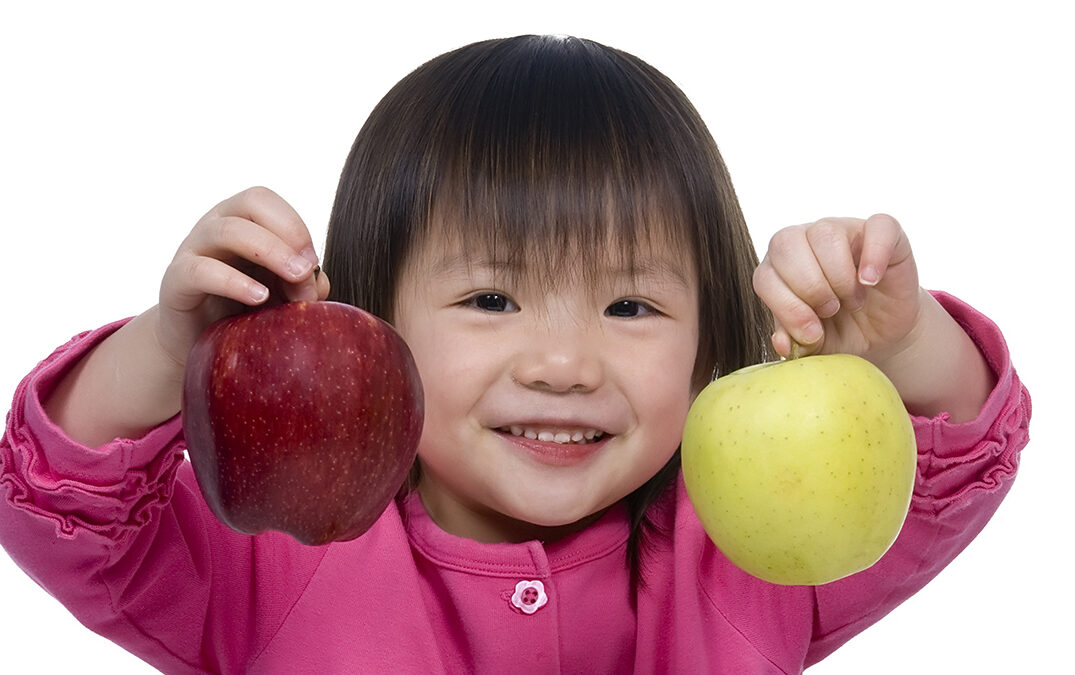
So it is that time a year when peaches taste wonderful and are cheaper. With children going back to school what better way then to add the Vitamin A and Vitamin C peaches provide with a hassle free morning hot breakfast – see below recipe found in the Ellie Krieger’s Cookbook “ Food You Crave”.

Peach French Toast Bake
(put it together the night before and you just pop it in the oven in the morning)
Ingredients:
- 1 large whole-wheat baguette (~8 oz)
- 4 large eggs
- 4 large egg whites
- 1 cup nonfat milk
- 1 tsp vanilla extract
- 5 cups frozen unsweetened sliced peaches, thawed – or use in season fresh peaches
- 2 tablespoons firmly packed brown sugar
- ¼ tsp ground cinnamon
- 1 ½ cups plain nonfat yogurt (optional)
- ¾ cup pure maple syrup (optional)
Directions: Coat a 9×13” pan with cooking spray. Cut the baguette into 1/2 –inch-thick slices and arrange them in a single layer in the pan. In a medium bowl, whisk together the whole eggs, egg whites, milk, and vanilla. Pour the egg mixture over the bread in the pan. Scatter the peach slices evenly over the bread. Sprinkle with the brown sugar and cinnamon. Cover with plastic wrap and refrigerate overnight.
In the morning: Preheat oven to 3500F. Uncover and bake until it is slightly puffed and the bread is golden brown, about 40 minutes. Top with yogurt if desired and drizzle with maple syrup.
by Phillip Kindschi | Jun 25, 2013 | Nutrition
Because being overweight can often be a lifelong condition that may affect the entire family, it is critical that families consider taking action towards becoming a healthier family with the child. When assessing your family; consider the following:
- How often your family has physical activity time (min/day)
- Does your family place a high value on video game use (hr/day)
- Does your family limit television viewing (hr/day)
- Does your family enjoy a variety of fruit and vegetables daily (servings/day)
- Does every family member consume calorically sweetened beverages (ounces/day)
- Are there parental restriction of highly palatable foods (for example cake, donuts, candy)
- How many meals are eaten outside of the home (meals/week)
- Are there large portion sizes
- Does the family often skip breakfast (meals/week)

After assessing your family, try small achievable steps toward reaching goals that work with your family’s schedule. Focus on healthful eating and behaviors aimed at improving Body Mass Index. Body Mass Index is a measurement of weight relative to height. The targeted behaviors may include decreased television viewing, decreased sweetened beverage and juice consumption, increased fruit and vegetable consumption (focusing on 5 different colors of fruits and vegetables daily), increased daily activity, more home-prepared meals and family meals, and daily breakfast consumption. The Academy of Nutrition and Dietetics’ Evidence Analysis Library for Evidence-Based Pediatric in Weight Management Nutrition Practice Guidelines strongly recommends that a parent/caregiver should be included in the medical management team for pediatric weight management programs as an agent of change when treating children aged 6 to 12 years. You, as their family, can provide them their motivation and strength to reach a healthy weight goal.

For additional structured weight management approaches, a Registered Dietitian’s role in the Medical Team increases. A dietary prescription, including a mild calorie restriction, a meal and snack schedule, 1 hour of daily supervised and planned daily physical activity, and self-monitoring are implemented by the family with staff support using motivational interviewing techniques to help set goals and identify barriers. Research shows that when individualized nutrition prescription is included, improvements in weight status in children and adolescents are consistent. When an individualized nutrition prescription is not included, results are less consistent. From all of the medical concerns that arise with being overweight as a child, consider focusing on a healthy family lifestyle prescription rather than a child weight loss program.
by Phillip Kindschi | Mar 14, 2013 | Nutrition
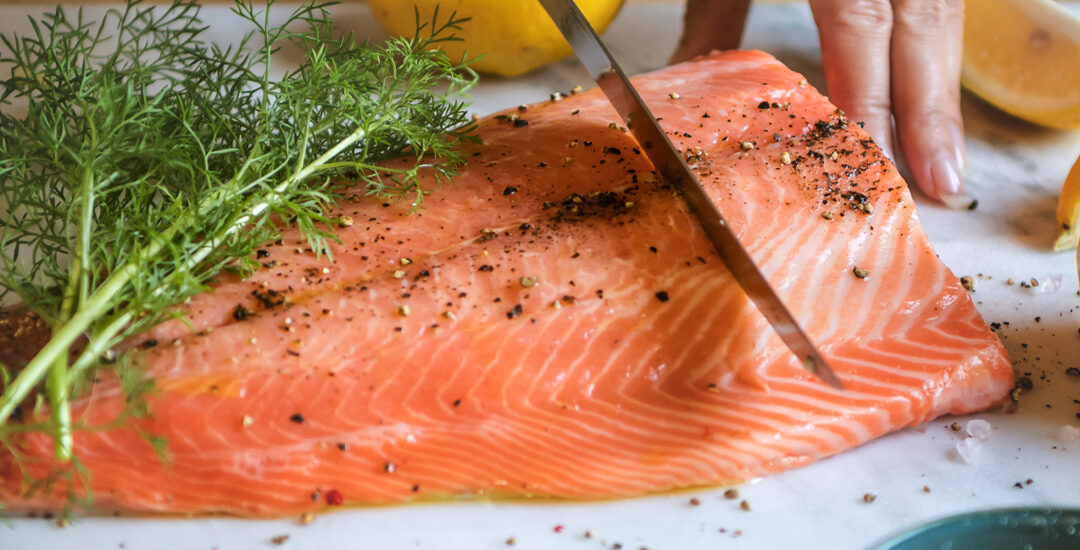
A diet rich in omega-3 fatty acids, especially EPA and DHA, is essential to our health and our children’s. Omega-3 fatty acids are a type of polyunsaturated fatty acids that may help lower cholesterol levels (in particular those with high levels of triglycerides) and support heart health.
There is also some evidence suggesting omega-3 may modestly lower high blood pressure and ease pain as well as improve the symptoms of ADHD and asthma in children. It is known for its anti-inflammatory functions and has some researchers trying to link it to relieving symptoms of osteoporosis, kidney disease, bipolar disorder, Raynaud’s syndrome, as well as constipation.
Fish oil supplements, made from mackerel, herring, and other fish, may be easy to consume, but getting your daily intake of omega-3 fats from foods would be ideal. Foods containing omega-3s include:
- Fatty fish (recommended twice per week): Salmon, albacore tuna (fresh and canned), sardines, lake trout and mackerel.
- Walnuts (also rich in Vitamin E): Add to cereals, salads or muffins or use walnut oil in dressings and sautés.
- Flaxseed (use ground or milled not whole): Add to breakfast cereal, yogurt, baked goods like breads or muffins and mix with sauces or gravies as well as in casseroles. You may also use flaxseed oil over quinoa or use it in dressings.
While fish oil boasts many health benefits, individuals with an increased risk of bleeding, liver disease, seafood allergy or those taking medicines that interact with it, such as chemotherapy treatments, may want to avoid taking a supplement. Also, you should skip the supplement if you have an implanted defibrillator to prevent irregular heartbeat. Always consult with your physician before taking any dietary supplements.
To give you a jump start on adding more omega-3 fatty acids to your diet, here is an easy recipe your whole family will enjoy.
– Andrea Shotton, MS, RD, LD
Oven-Fried Cod
Serves 4
Ingredients:
1 cup whole grain bread crumbs
1⁄4 cup grated Parmesan cheese
1 teaspoon grated lemon rind
1⁄4 teaspoon black pepper
Non-stick cooking spray
1 tablespoon canola oil
1 pound cod fillets
Salt (optional)
2 egg whites
1⁄4 cup fat-free milk
Fish switch: You can use catfish or flounder in place of the cod.
Directions:
1. Preheat oven to 400 degrees. Spray a 9×12-inch baking sheet with non-stick cooking spray, then coat with canola oil.
2. Combine bread crumbs, Parmesan cheese, lemon rind and black pepper in a paper bag. Shake well to mix, and set aside.
3. Rinse cod and lightly sprinkle salt (optional) on both sides of the fillets.
4. Cut fish into long strips.
5. In a small bowl, combine the egg whites and milk, then whisk with a fork until well blended.
6. Dip the fish into the egg-and-milk mixture.
7. Place the fish strips, a few at a time, into the paper bag. Hold the bag closed and shake well.
8. Place the coated fish sticks on the baking sheet. Bake until golden brown, about 15 minutes.
Nutritional Information Per Serving:
256 calories
7.5 g fat
2 g saturated fat
58 mg cholesterol
350 mg sodium
20.5 g
carbohydrate
1 g dietary fiber
25 g protein
Recipe provided courtesy of Eat Right Press, from Healthy Eating, Healthy Weight for Kids and Teens by Jodie Shield, MEd, RD and Mary Catherine Mullen, MS, RD. Academy of Nutrition and Dietetics ©2012.
by Phillip Kindschi | Mar 5, 2013 | Nutrition
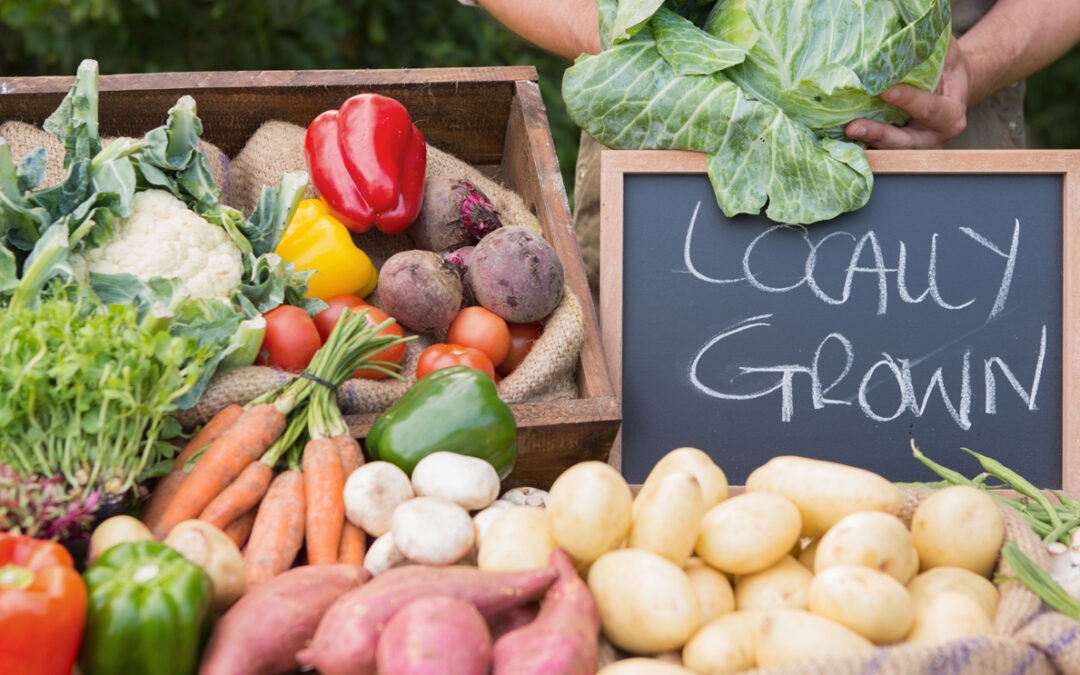
March is National Nutrition Month and brings with it the first signs of spring. Spring also brings about the opening of many of the Oklahoma community farmer’s markets and fresh fruits and vegetables.
Start your spring off right by eating out less and enjoy fresh fruits and vegetables that are in season. By choosing foods that are in season, you can
buy fresher foods at their lowest cost, saving you money and creating healthier meals for your family.
Locals farmers are amazing people and work hard for you to enjoy Oklahoma grown food, so why not go out and support them? You can also make it a fun family outing to see where your food is grown. Also, many local farms let you pick your own blueberries, blackberries and more. Visit the following to locate the nearest farmer’s market to your home: www.okfarmandfood.org.
So, what is in season? Spring harvests include asparagus, green onions, leeks, lettuce, maple syrup, mint, mushrooms, new potatoes, peas, radishes, rhubarb, spinach, strawberries and wild greens.
If you haven’t tried some of these foods, or can’t get your children to try them, get them more involved in the kitchen, or the
garden, from day one. Inspire your children to discover food with a hands-on learning experience by letting them prepare food and presenting it on their plate. Make it fun!
If you need some inspiration for recipe ideas, some of my favorite cookbooks are:
– Simply in Season: Children’s Cookbook, Mark Beach and Julie Kauffman
– Simply in Season: A World Community Cookbook, Mary Beth Lind and Cathleen Hockman-Wert
– Weelicious by Catherine McCord.
Put a spring in your step with fresh food and healthy eating!
– Andrea Shotton, MS, RD, LD

by Phillip Kindschi | Jul 2, 2012 | Nutrition
During the summer, many young athletes are participating in sports activities or conditioning for the upcoming school season. For these athletes, there should be a balance between nutrition for growth and development and nutrition for performance.
Carbohydrates
The most useful form of fuel for energy is from carbs and is in the simple sugar form of glucose. If not used, glucose will be stored as glycogen in the muscles and liver. Once glycogen stores are depleted, an athlete’s performance or intensity may decline. Overall, it is recommended to consume about 30-60 grams of carbs per hour during strenuous endurance exercise that lasts one hour or more. This can aid in maintaining adequate blood glucose, delaying fatigue by 30- 60 minutes.
Protein
Despite its appeal to consume large amounts for bigger muscles, protein is used primarily for endurance exercise (running) and much less for resistance exercise (weightlifting). Only moderate amounts of protein are needed to help build and repair muscles and in fact, too much can have negative consequences such as dehydration and weight gain.
Fluids
Staying hydrated is especially important as the temperatures top the 100-degree mark. Just 1% dehydration decreases performance and can be serious enough to lead to severe illness or even death. Signs of dehydration include the following:
- Dark urine
- Muscle cramps
- Nausea/vomiting
- Chills
- Clammy skin
- Flushed face
- Dizziness
- Headaches
To stay properly hydrated, consume following amounts of fluid:
- 12-22 oz. water/sports drink 1-2 hours before event
- 10-20 oz. water/sports drink 10-15 minutes before event
- 4-6 oz. water/sports drink every 15 minutes during event
- 16-24 oz. (2-3 cups) fluids per pound of weight loss after event
For most activities, water is all that is needed. Sports drinks are only helpful in replacing electrolytes and carbohydrate losses in events that last longer than 60 minutes.
– Andrea Shotton, MS, RD, LD
