April is National Occupational Therapy Month, a time to recognize the important work occupational therapists do to help individuals participate in the activities that matter most in their daily lives. At TherapyWorks, we are proud to celebrate our amazing occupational therapy team and the difference they make for the children and families we serve.
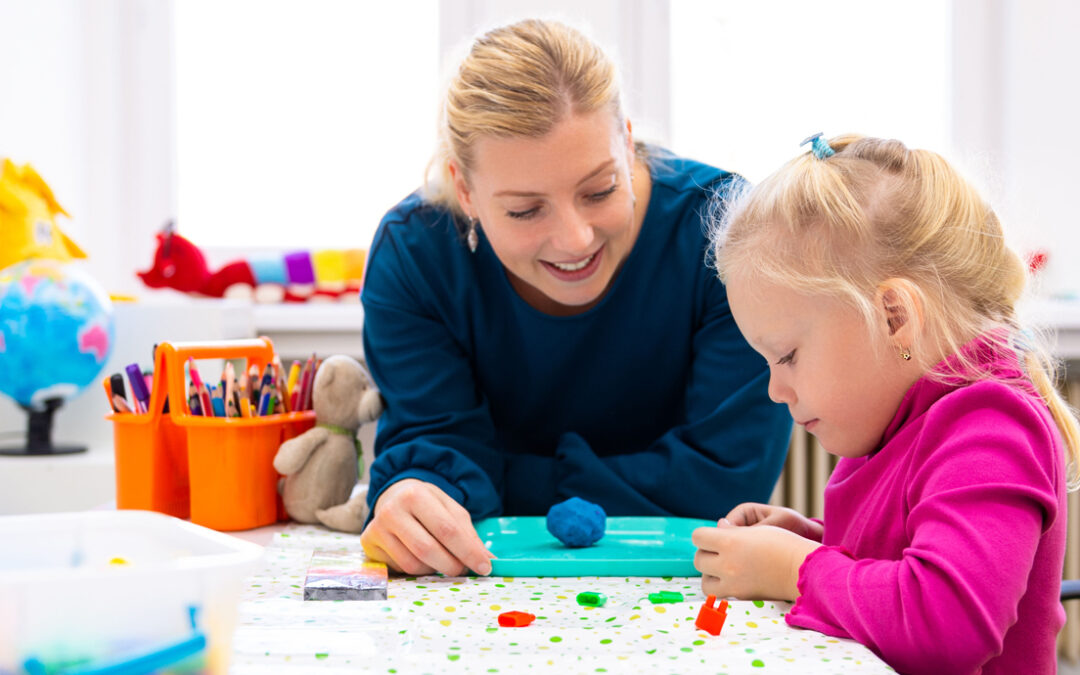
Occupational therapy helps children develop important skills needed for everyday activities like playing, learning, and gaining independence. Our therapists work with children on a variety of goals, including fine motor development, sensory processing, coordination, attention, and daily living skills. Through creative and individualized therapy sessions, they help children build confidence while reaching important developmental milestones.
What truly makes our occupational therapy program special is our team. Their patience, creativity, and dedication help turn therapy sessions into fun and meaningful experiences for each child. They work closely with families and other professionals to support progress both in therapy and in everyday life.
During this month, we want to say a heartfelt thank you to our incredible occupational therapists and assistants. Your compassion, expertise, and commitment make a lasting difference, and we are so grateful to have you as part of the TherapyWorks team.
Make sure to check out our social media this month! We will be spotlighting OT and OTA all month to celebrate! Links are below.
Happy Occupational Therapy Month! 👏
Read More about National OT Month on the American Occupational Therapy Association Website here.
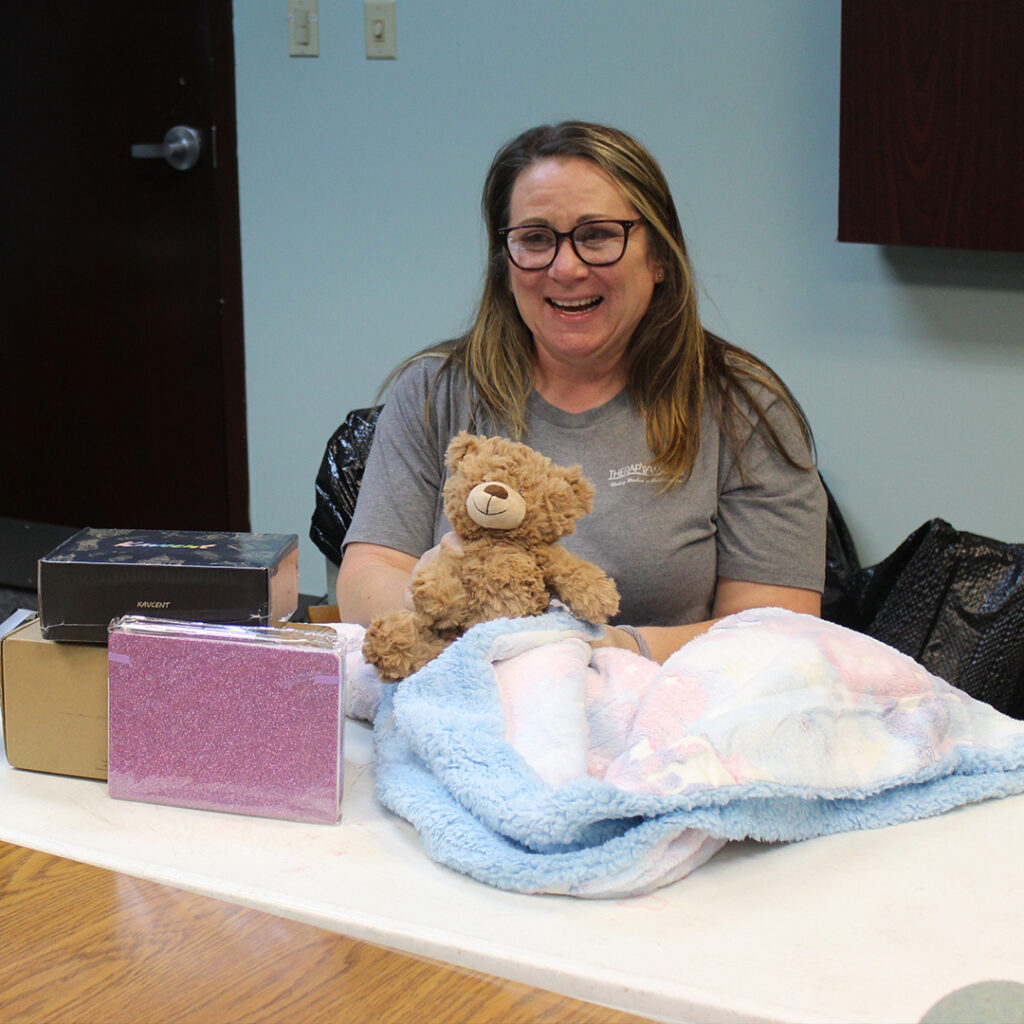
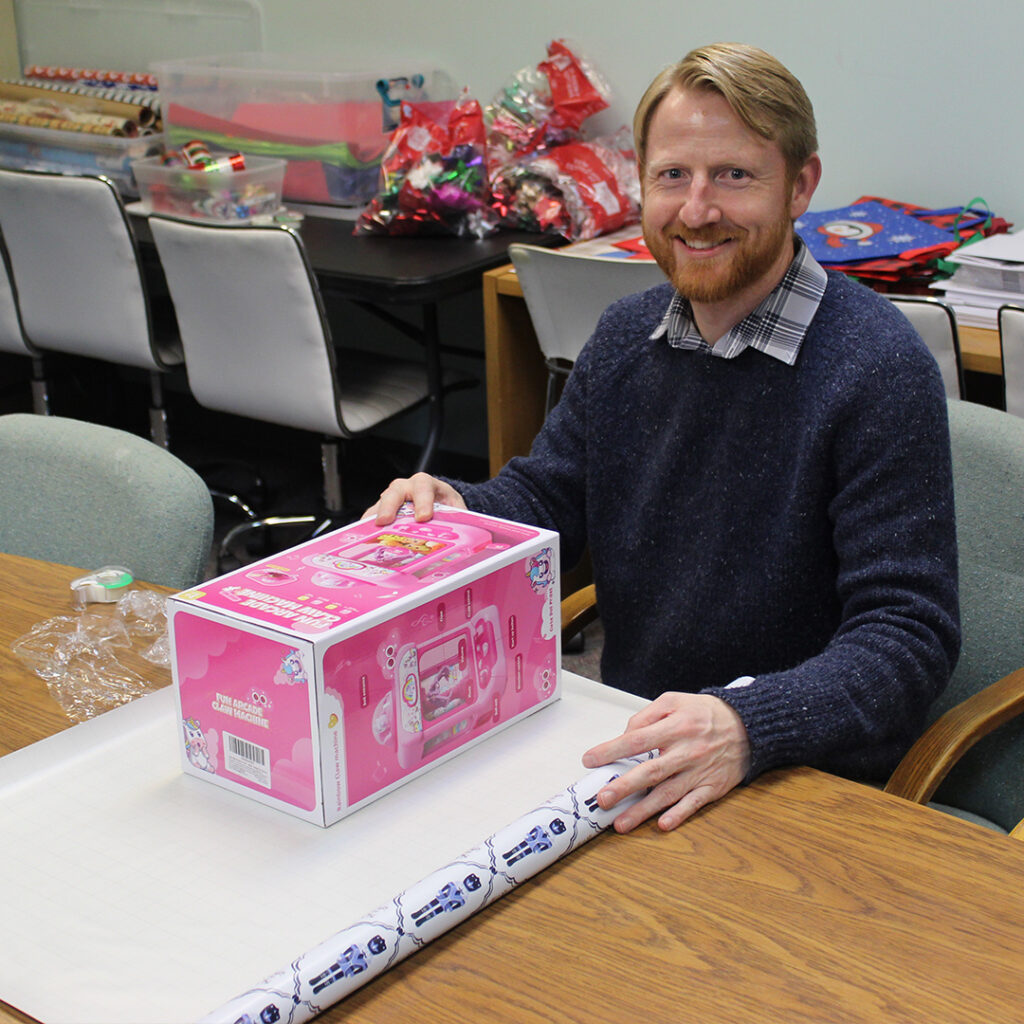
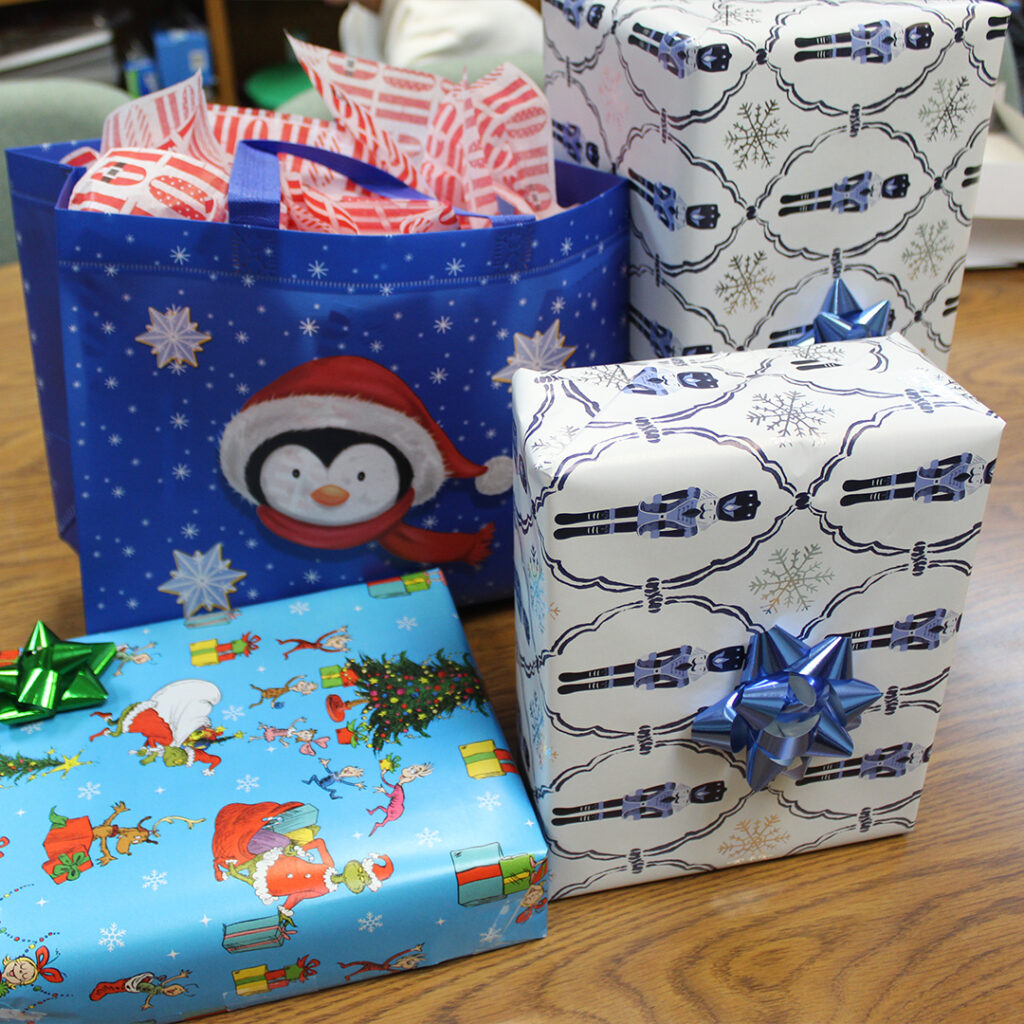
Earlier this month we handed out gifts to 117 children through the Heather’s Giving Tree program. We were grateful to have Heather’s mom join us again this year for the gift distribution. 🎁
The program is for children of families who are currently receiving services through TherapyWorks and their siblings. 🎄
This was the 15th year TherapyWorks has led a Giving Tree Program. The program was renamed in honor of Heather, a beloved longtime employee who led this effort each year until her passing from Covid in September 2021. She is pictured below (white dress). 🪽
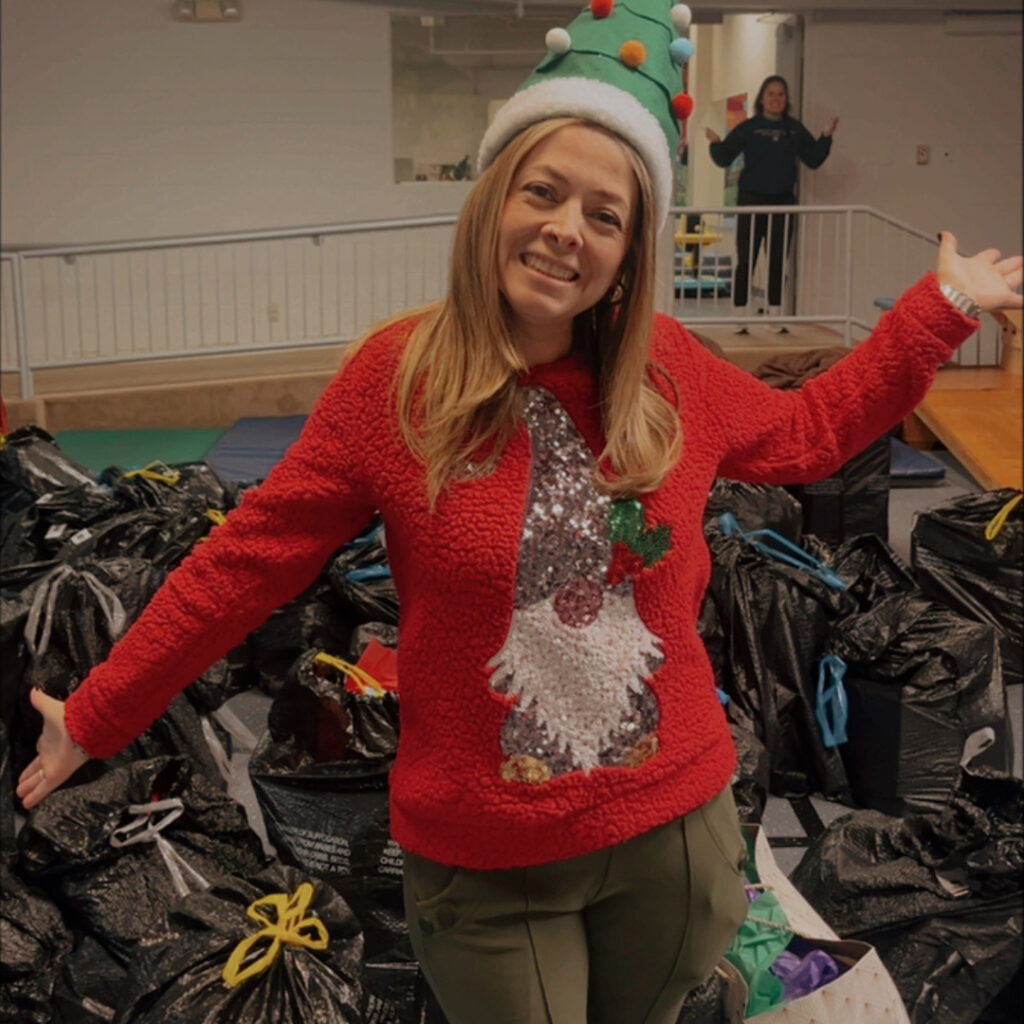
Each large bag you see in this picture holds the wrapped gifts for one child. We aim for a set dollar amount per child, which usually ends up being 3–6 gifts, chosen from a wish list completed by their parent or guardian.
Thank you to everyone who purchased raffle tickets, attended one of our fundraising events, adopted children, wrapped presents, or helped in anyway! This program was a huge success again this year and remains one of the most meaningful things we do as a company. Also a special thank you to Elisa, pictured in a red sweater below, who has helped run the program since Heather’s passing.
Do you know how simple and incredibly cheap it can be to create your own fun around the house for your kid(s)? If you have kids that are sensory prone, these activities will be especially fun for them! Sensory issues are not all the same and vary from person to person. Below, we list and explain a few simple ways to have some sensory fun this summer, all on a budget. Neither of these take much time to set up and are all child friendly.
First, we start with “Water Sensory Play“. This is very simple and extremely cheap, if you must be reminded. Start off with a plastic bin; fill it with water and add a few drops of blue food coloring for an ocean blue (or whichever your child prefers/is a favorite color). Next, add boats to the mix for some splashing fun. Once that has played out, you can add some bubbles to make a boat bubble bath. This also makes for clean soapy fun. If that isn’t fun enough, here’s another simple addition. Get some ice cubes, put a couple drops of different coloring on them and let your child put them in the water one by one. This can be a fun lesson as you explain primary and secondary colors while the water changes colors (adding a red cube to the blue water makes purple and so forth). Fun and learning at the same time! If he/she isn’t too distracted to listen as the color changes.
Another fun, but a little more messy, sensory safe Summer project is “Ice Cube Coloring“. This method of fun is much easier. Take an empty ice-cube tray and fill it with water. About 30 minutes of freezing, or when still soft enough for penetration, add popsicle sticks in the middle and let them harden up. Once completely frozen, add different food coloring to a few different ones. Let them sit out for a few minutes to thaw. Once they are ready, allow your child to use the popsicle sticks as a grip. Give him/her some paper and let the colorful ice cube fun begin. Eventually the cubes will fall off, but the ice cubes may still be useable to color and have some messy fun with. After all, it’s food coloring. No stains, or hard chemicals to worry about.
Option 3: Edible sand & Rainbow! These 2 combined might be a favorite! They are both super easy to do and there is nothing to worry about if either are ingested. First, for the sand all you need is a blender and crackers. Or you can use something else that is easy to smash, like peanuts or cereal. Get out a bin, some toy trucks or cars and you have a sandbox with sand that is safe to eat! You can also add some milk or water if your child desires it to be more firm and clumpy. Now for the edible rainbow it requires a little more due diligence. For this, get some bread, food coloring, milk and a food processor. If you don’t have a food processor you can use Tupperware to shake and mix. Next, bake/toast the bread to make it a little crispy and then tear it up/blend it to make little pieces. Pause, add small amounts of food coloring and milk to the blender full of bread crumbs and mix again. Not too much or it’ll be overly soggy. Once done, with multiple colors, bake it in the oven to harden all the crumb colors. If you want, you can bag all the colors separately and let your kid make his own colorful rainbow. Wallah! That simple for quick and easy around the house fun.
Do you have any ideas we can share to our followers on social media?!
We all have it and typically deal with it in our day to day lives. What is it? Stress and or anxiety. These two emotions/feelings can often determine the entire outcome of our day before it even starts. This is common, but there is a solution, says Kristen Arquette. Journaling can have quite the impact. She is a marriage and family therapist at New Vision Counseling in Washington state. In the article, which covers anxiety and stress, different therapists and counselors describe how writing down your feelings and thoughts can dramatically have an impact on your body (read the full article here: Is your child showing signs of stress or anxiety? ). Daily Journaling lets all those emotions, feelings, stressful and nervous thoughts escape onto paper, thus freeing your mind! Give it a try, test it out and let us know if you see a difference.
“Children do not always know how to talk about what they’re feeling. Sometimes they are unsure of what they’re feeling, especially in the wake of trauma, when things are unclear and don’t make much sense,” says Jacqui Blue, a hypnotherapist in California who specializes in trauma. Sometimes we all want to curl up into a ball and keep it inside, but that is not the solution to the problem. It will only make things worse in the long run. Let it flow, uncensored and unscripted. There are no drugs or antibiotics on the market that can cure grief or pain.
First and foremost, by no means is journaling a substitute to seeking out treatment or asking for help. It’s an easily accessible means to to letting out what you feel inside without acting out verbally or physically. That alone can go a long way in helping kids, teens or adults externalize their emotions and feelings in an unnecessary way. Something as simple as taking the time to jot down what you feel, think or want to do can also change the way you go about the rest of your day. Don’t bash it before you try it. See if it can help you deal with things you may internalizing and need to get them out.
“Every child has some spontaneous mutations,” explains Iossifov. “But in some unlucky children these mutations severely affect the functioning of a particular gene. Autism affects so many children in today’s world and the numbers are only increasing; at an alarming rate if you are unaware. In a 2 year span, the diagnosis has jumped 15%, from 1 in 68 children, to 1 in 59. Boys are affected far more than girls, at about a rate of 4 to 1. Unfortunately we don’t know what has caused or continues to cause this uneven ratio. “Some of the change in prevalence is said to be caused by improved autism identification which is important, because children identified early with autism and connected to services are more likely to reach their fullest potential.” (read more here). So you ask, where does it come from? How does our child have a developmental delay if neither of us do? How is one child on the spectrum and not the other(s)? Autism genetics expert Ivan Iossifov explains it simply as “spontaneous mutations”, generating from how the sperm and egg interact in the mothers womb. Read the full article and watch the short “Unified Theory of Autism” video below.
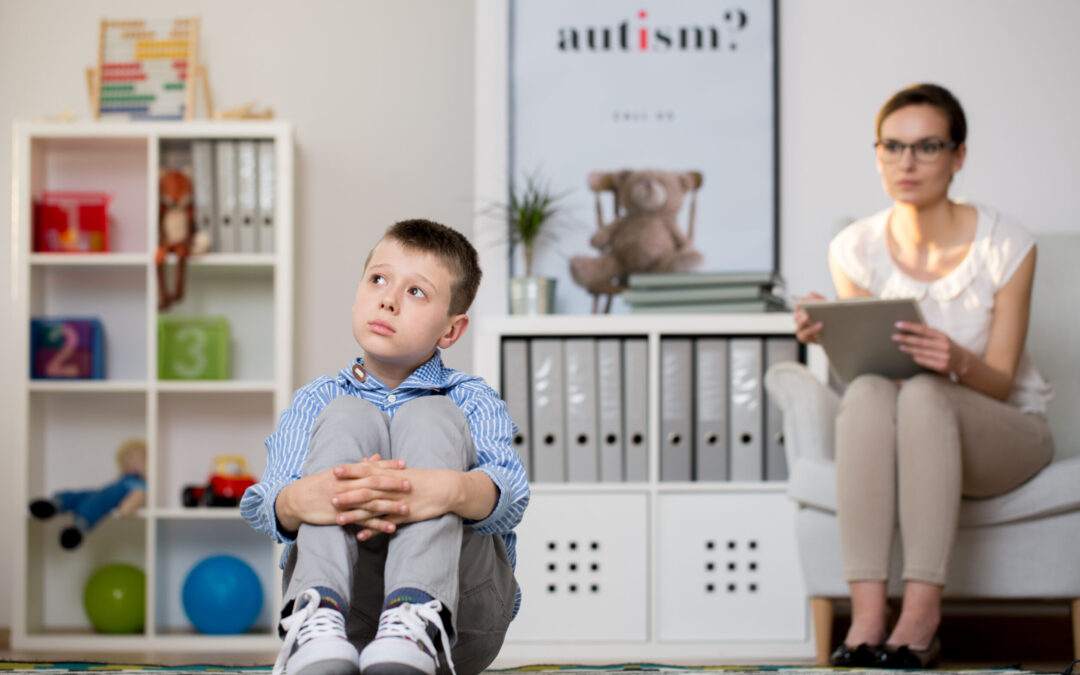
You will not know immediately if your child is showing symptoms of Autism, but detecting this at an early age can be very beneficial in their life. At a young age, some of the most prevalent and indefinable symptoms are listed below to help you determine if you may need to have your child evaluated for autism. Behavior Frontiers uses an Applied Behavior Analysis (ABA) Training Program with an Autism Specialization to explain the symptoms. The 3 key problems they specify are identifying 6 or more problems in socializing, communicating, and repetitive and inflexible behaviors. In the video link, they display and explain in-depth scenarios of each situation to help you identify prevalent autistic symptoms.